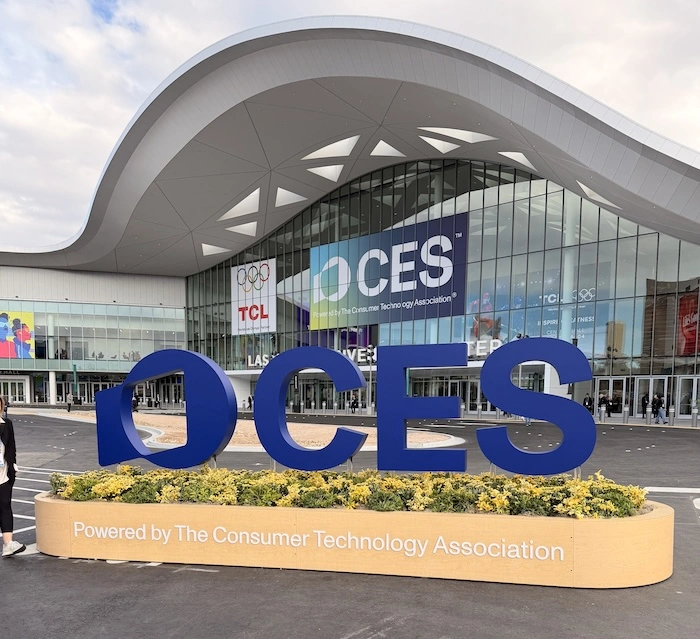

I attended CES 2026 this year — my third show in the last six years. And for a trade show with a four-decade legacy, it didn’t feel like a gadget show of old with a few industrial booths tucked in the back. It felt like a public acknowledgment of something many Midwest builders already know: the next platform shift isn’t living on a screen. It’s getting embedded into equipment, fleets, factories, and the messy reality of how work actually gets done.
If you’re a founder building in the Midwest, here’s your market proof. You’re not “far from the action.” You are right where you need to be… sitting on top of the customer base and operational complexity that the next generation of enduring companies will be built on.
If you’re an investor, CES 2026 sent a clear message: the next generation of category leaders will come from places that know how to build, ship, and run technology in the real world. As tech moves off the screen and into factories, vehicles, and infrastructure, future CES shows will continue to become a global proving ground for the Midwest’s natural strengths.
The shift at CES: from “cool demo” to “operational system”
CTA’s own wrap-up emphasized how CES 2026 moved from theory to practical application, with massive attendance and deep executive representation. The show is increasingly where decision-makers look for what’s deployable now, not just what’s possible later. And while walking the floor, you could feel the pivot in what got attention.
Yes, of course, “AI” was everywhere. But the sticky stories weren’t about AI as a feature. They were about AI as a layer that helps machines and systems operate: safer, faster, more productive, more autonomous, and without breaking the workflow humans rely upon.
This is the real story behind the Midwest’s breakout presence: Physical AI is having its moment, and Physical AI is inherently industrial.
You’re not “far from the action.” You are right where you need to be… sitting on top of the customer base and operational complexity that the next generation of enduring companies will be built on.
A Midwest roll call: the states that showed up with real-world tech
I’m going to name states on purpose, because “Midwest” only matters if we’re specific about where the momentum is coming from and how it’s getting distributed.
Illinois: the “physical AI” trifecta: industry, mobility, and creators
Illinois showed up across several distinct categories with connected strengths that compound each other rather than compete:
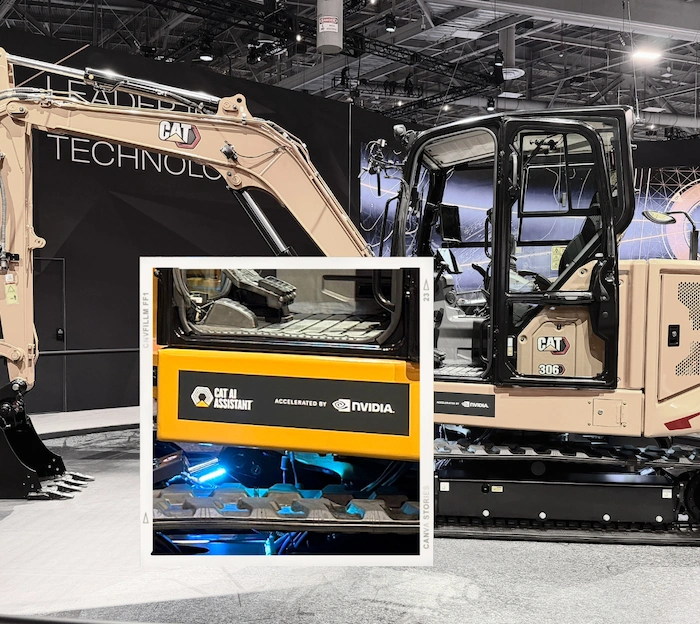
- Caterpillar put Industrial AI and autonomy on the keynote stage and positioned it as a practical transformation of worksites. “...we’re much more than just “big yellow machines.” We create and power the "invisible layer"—the physical foundation that the digital world relies on to function,” says CEO Joe Creed. (While Caterpillar has relocated its global headquarters to Texas, its operational footprint, workforce, and industrial DNA remain deeply IL-rooted).
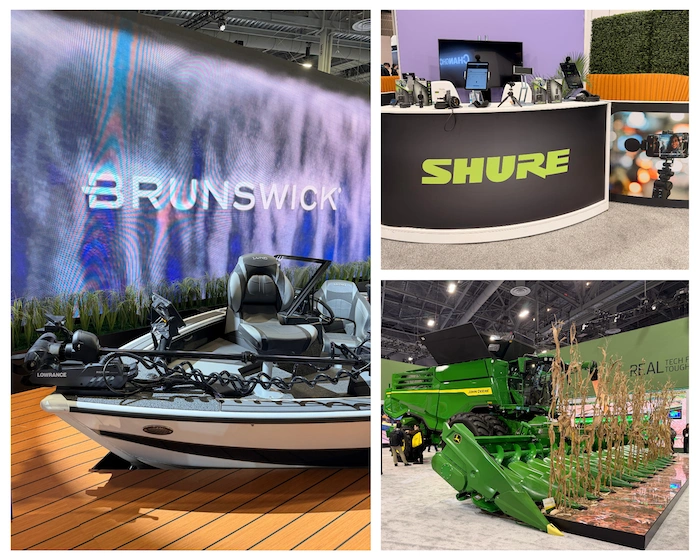
- John Deere drew attention with its tech-forward equipment presence and automation narrative (People love seeing a giant combine harvester IRL). Media coverage pointed to heavy interest in getting into the cab and seeing what’s changed.
- Brunswick treated marine innovation like consumer tech. AutoCaptain autonomy, tech-forward boat debuts, and a “largest-ever showcase” posture that’s hard to miss. Personally, I’ve loved witnessing the ‘glow up’ of the Brunswick exhibit every year. It matches their ambition and market momentum. Kudos to the creative team!
- Shure debuted a simple, useful creator product (MV88 USB-C) in the CES Creator Space. This new mobile mic instantly fits modern workflows. And down the strip, the Innovation and Market Development teams were hosting private product demos and sneak peeks or new releases yet to come.
- Motorola/Lenovo delivered the most conversation-provoking consumer-facing Midwest-connected concept: Project Maxwell and the ambient AI layer (Qira). It traveled because it’s both exciting and unsettling — exactly the combination that sparks shares, takes, and debate.
HAAS Alert exhibited as part of an event hosted by COVESA, underscoring the software layer where connected vehicle technology becomes deployable. As a Chicago-based startup already operating at scale, HAAS Alert represents connected solutions between real-world safety and open mobility systems.
Michigan: mobility beyond auto and more about platforms
Michigan is mobility. Across sea, land, and air, with real manufacturing and systems thinking behind it.
- Voltaic Marine debuted AEW24 at the Michigan Mobility Pavilion, showcasing an electric aluminum boat platform for recreational, commercial, and defense use cases. It is explicitly engineered for advanced manufacturing and real-world operations. Other startups included: AG3 Labs, Intermode, LIVAQ, Modal Motors, Motmot, Neumo, and Vertical Autonomy
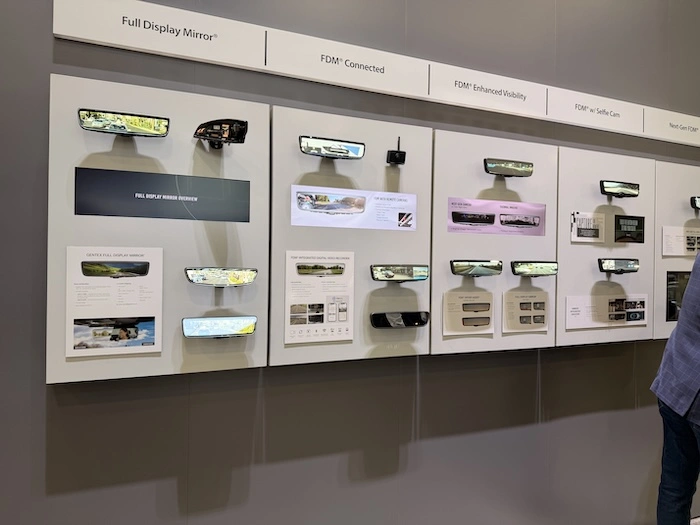
- Gentex Corporation exhibited next-generation automotive visibility and sensing (full-display mirrors, camera systems, scalable enhancements), reinforcing Michigan’s edge in the “safety + perception” layer of mobility. 
- Bloom helps hardware companies build, deliver, and service products by connecting teams with the right partners — reducing friction between prototype and real-world operation. In a year when CES rewarded companies built for execution, Bloom represents the kind of behind-the-scenes infrastructure Michigan excels at enabling. 
Wisconsin: autonomy for “tough work”
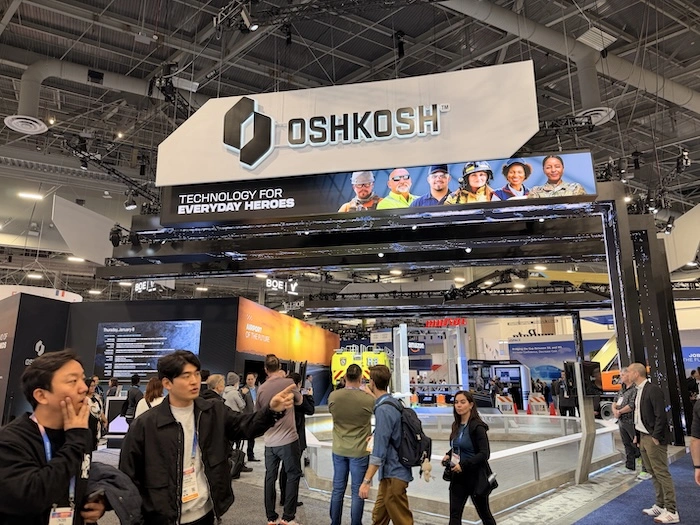
Oshkosh Corporation leaned into autonomy, AI, connectivity, and electrification across use cases like job sites, neighborhoods, and airports—then picked up well-deserved recognition for its Collision Avoidance Mitigation System (CAMS).
Minnesota: the overlooked lever of industrial vehicles and “unsexy” infrastructure
McNeilus (part of Oshkosh’s ecosystem) showcased advanced refuse and recycling technology with emphasis on AI, electrification, and connected systems.
If you’re a founder, this is a useful reminder: “unsexy” categories often have a pretty attractive path to durable revenue.
Ohio: For the ‘heart of it all’ state, CES told its manufacturing story
States themselves don't usually take center stage, but Ohio did, and the approach was explicit: use a global, tech moment to produce manufacturing programming as an economic and innovation narrative.
JobsOhio led multi-day programming tied to manufacturing, advanced industries, and partnerships with groups including Oklo, Atomic Industries, and The Ohio State University.
Ohio is now CNBC’s #1 state in the Midwest for doing business, ranks #2 nationally for cost of doing business, is the #1 manufacturing state in the Midwest, and has the #3 manufacturing workforce in the U.S. Those aren’t abstract rankings; they’re the reason global manufacturers and innovators like Anduril, Joby Aviation, Honda, Intel, Amgen, GE Aerospace, and Eaton are placing long-term bets there.
Indiana: audio that knows how to ship
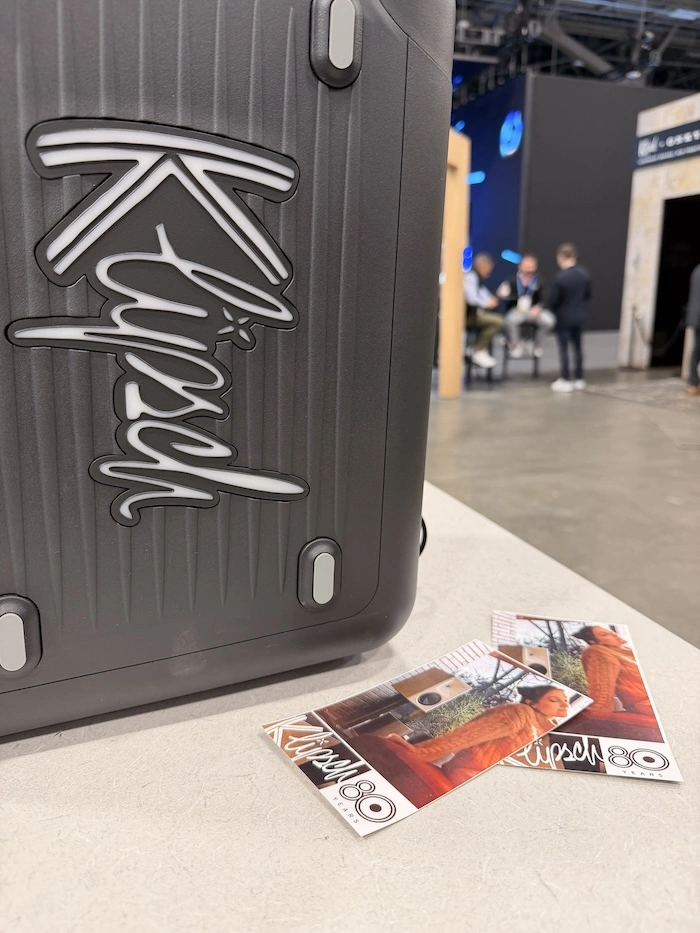
Klipsch rolled out next-gen powered speakers with updated connectivity and AV features, earning coverage in audio outlets that reach both enthusiasts and broader consumer audiences.
What this means for Midwest founders (and what I’d do with it)
The show confirmed the signal that you already know. The advantage favors builders who can deliver operational reliability, integration into existing workflows, safety and compliance, and a realistic manufacturing/deployment pathway. That’s already a Midwest-native playbook.
If you’re building hardtech, mobility, climate, or B2B software here, don’t apologize for being close to your complicated customers. That’s the moat. In 2026, I expect the economics to increasingly reward the companies that stand up in front of real operators and say, “This works. Here’s how it fits. Here’s how it scales.”
What this means for investors placing bets in the Midwest
If you’re underwriting the next decade, there’s a new class of venture-scale outcome forming around the industrial stack. Don’t think of “industrial” as a sector. Industrial is a platform environment where AI, autonomy, sensors, connectivity, electrification, and standards converge — and where the customer is rational, the need is durable, and switching costs become real.
A quick note as I close: these takeaways reflect what I saw and experienced firsthand at CES, shaped by conversations and observations shared by others on my team, Ellie Davis and Kayla Dusing, who were on the ground as well. Between us, we covered a lot of booths, meetings, and side conversations. I’m sure we still missed great companies and moments across the region. CES is massive, and the Midwest presence is even bigger. That’s exactly why TechNexus, Seamless Ventures, StartMidwest, and Midwest House hosted our own meetup at CES. This isn’t an exhaustive list; it’s an honest snapshot, grounded in what I know best about the Midwest tech scene and the people building it.
Madelyn Rutter is currently the Senior Director of Collaboration at TechNexus Venture Collaborative, and a Midwest-born leader and community builder who thrives at the intersection of innovation, brand, and collaboration. She brings a rare blend of entrepreneurial grit and corporate fluency. Connecting ideas, people, and industries in ways that unlock new growth. Known for sparking collaboration that sticks and making big ideas feel doable.