

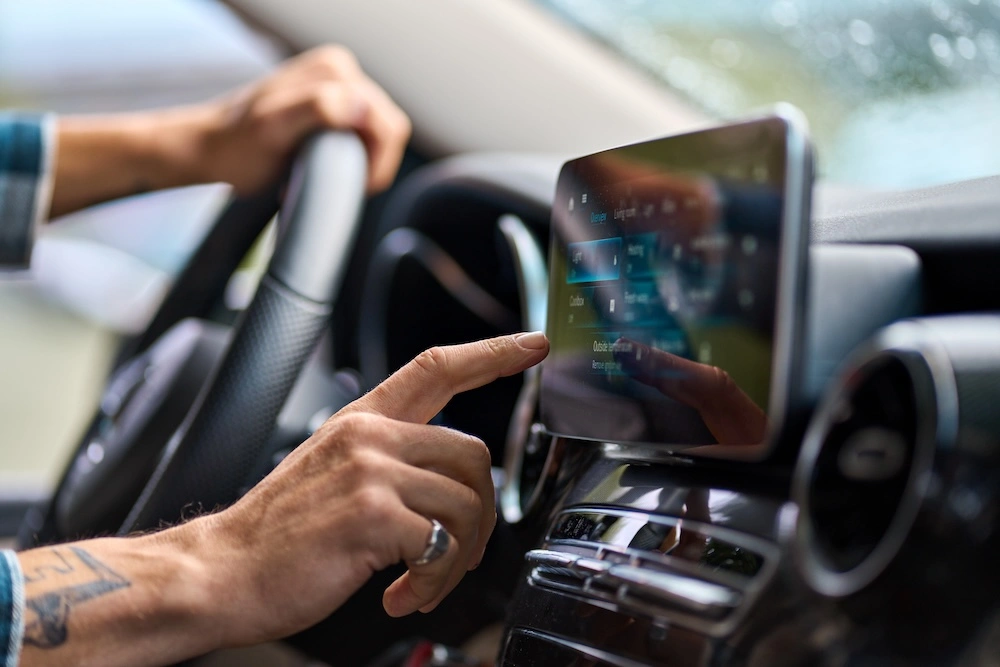
Drivers are being asked to share more with their cars, from location information to driving habits, and Ford says its new Privacy Promise sets a clear limit: it won't sell connected-vehicle data to insurance companies or data brokers. The policy arrives following scrutiny of automotive data and a settlement on the topic involving GM, giving Ford owners a timely reason to check what their cars collect and which features depend on sharing.
Essential Takeaways
A clear pledge: Ford says it won't sell customer data to insurance companies or data brokers.
Data supports connected features: Information can be used to provide services, troubleshoot issues, develop products and personalize experiences.
Privacy has trade-offs: Turning off connected-vehicle data sharing can make services such as Ford’s hands-free system BlueCruise, internet connectivity and app-based location features unavailable.
Settings are available: Ford says drivers can adjust vehicle data-sharing settings in the vehicle.
The issue is timely: Regulators and state officials have taken action over General Motors' handling of driver data.
Ford draws a line on data sales
A connected car can feel like a quiet companion, but it can also generate a steady stream of information. According to Ford's newly announced Privacy Promise, the company won't sell customers' data to insurance companies or data brokers, in a market where many drivers may not know exactly what their vehicles actually record. In their Privacy Promise announcement, Ford says it “wanted to learn more about what customers understood about vehicle and data privacy,” and that it “surveyed just over 1,000 U.S. consumers” to create the initiative.
The company says it uses customer information to provide connected services, troubleshoot problems, innovate and personalize the experience. The promise doesn't mean a vehicle produces no data; it describes how Ford says it uses that information.
Privacy comes with a connected-feature trade-off
However, drivers who choose not to share connected-vehicle data with Ford may lose access to features that rely on it. Ford identifies its BlueCruise, internet connectivity and vehicle-location services in its app as examples, so privacy choices can potentially impact the everyday convenience that comes with a connected car.
That makes it worth separating essential driving functions from optional digital extras before changing settings. For drivers that rely on remote location tools or connected services, they still need to check what will stop working first; if they are rarely used, switching them off sharing may feel like a straightforward trade.
A privacy website, but check the settings
Ford's privacy website explains its approach to vehicle data and points customers toward ways to manage their choices. The company also says it will direct users to its app, which can offer features such as finding a vehicle, maintenance notifications and remote controls.
The app can help them manage privacy, but setting up an account means sharing information with the company. The most direct option may be the in-vehicle settings, which Ford says can be used to adjust vehicle data sharing.
Why drivers should pay closer attention
The stakes are no longer theoretical. The Federal Trade Commission finalized an order earlier this year against General Motors over allegations that it shared drivers' precise location and driving-behavior data, while the state of Delaware announced a $220 million settlement with the company at the end of October this year.
Before buying or activating a connected vehicle, drivers need to look at what data the car collects, what services depend on it and where you can change the settings. A few minutes with those menus may make the technology feel a little less mysterious.
What drivers should check before enabling connected services
Ford's privacy information and in-vehicle controls can help owners understand their choices, though the trade-offs may differ depending on the service.
It's also sensible for drivers to revisit those settings after a vehicle update or when habits change. The best privacy choice isn't the same for every driver; it's the one that gives them useful features without sharing more than they're comfortable with.