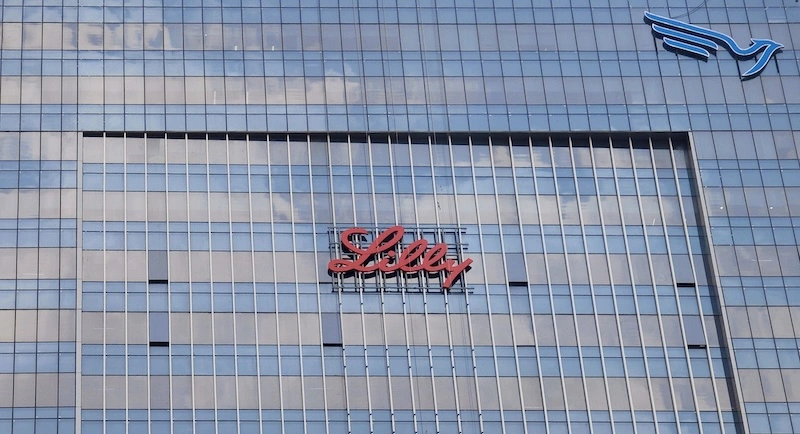
Eli Lilly and Indiana University recently struck a $40 million agreement to expand access to clinical trials in the state, intending to accelerate the delivery of the company’s investigational medicines. “Indiana has everything it takes to build a best-in-class system for clinical trial innovation: world-leading science, statewide health systems that reach patients where they are, and a community that believes in turning discovery into better care, ” said David A. Ricks, chair and CEO of Eli Lilly in the announcement.
The collaboration will be coordinated through IU’s Launch Accelerator for Biosciences (IU LAB) and will roll out the first phase using IU Health’s provider and patient network (then statewide later on). Pamela Whitten, president of Indiana University, said in a Newswise release, “This agreement marks a new chapter for Indiana University and how we work with industry partners — moving with speed, purpose, and a focus on real-world outcomes.”
The agreement is intended to advance research into diseases such as Alzheimer’s disease, diabetes, and cancer, and to support cell and gene therapies. IU leaders framed the investment as both a health‑care and economic initiative that supports the state’s roughly $99 billion life‑sciences industry.
The partnership follows a string of Lilly investments in Indiana. In 2024, Lilly announced the $4.5 billion Lilly Medicine Foundry manufacturing site in Lebanon, Indiana. The company has also pursued additional partnerships in the region, including academic workforce initiatives and innovation districts.
In the announcement, IU LAB President and CEO David Rosenberg added that “IU and Lilly will build the research capacity, talent and infrastructure that will accelerate scientific discovery, advance the care of Hoosiers, drive economic growth and solidify Indiana’s position as a national leader in the life sciences.”
This effort represents the opening phase of a five-year partnership that could expand as early projects move forward. It builds on prior IU–Lilly collaborations and establishes a structure for future work that supports shared research priorities and Indiana’s life sciences industry.