Oracle is securing nuclear power for its Wisconsin AI data center, highlighting a new reality for tech companies: the race for computing power now depends just as heavily on reliable electricity. The agreement could support the massive Lighthouse Campus, but it’s also raising questions about costs, grid pressure, and who ultimately pays.
Essential Takeaways
Dedicated nuclear supply: Oracle plans to take 125 to 250 megawatts from Wisconsin’s Point Beach Nuclear Plant.
A huge AI campus: The Lighthouse Campus is planned as a $15 billion development with nearly 1 gigawatt of AI capacity.
Ratepayer concern: The deal is linked to part of a proposed $176 million We Energies rate increase.
A shifting tech priority: Long-term electricity contracts are becoming nearly as important as chips, land, and servers.
Nuclear momentum is growing: Big Tech is pursuing existing plants, reactor restarts, and small modular reactor projects across the country.
Oracle Is Buying Something AI Can’t Manufacture
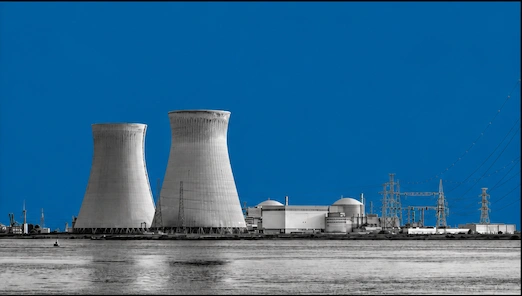
The most striking detail in Oracle’s nuclear power deal isn't the headline-grabbing price of the data center. It's the basic resource behind it: dependable electricity. Oracle has agreed to subscribe to between 10% and 20% of Point Beach's output, creating a dedicated supply of 125 to 250 megawatts for the planned Lighthouse Campus in Port Washington, Wisconsin. According to the Foreign Policy Journal, the arrangement would connect the nuclear station directly to the power needs of a major AI development. That may sound less glamorous than a new processor or a faster server rack, but electricity is quietly becoming the bottleneck in artificial intelligence. A data center can be built around the latest chips, yet it still can't operate if the local grid lacks enough steady power.
The Lighthouse Campus Is Built for Scale
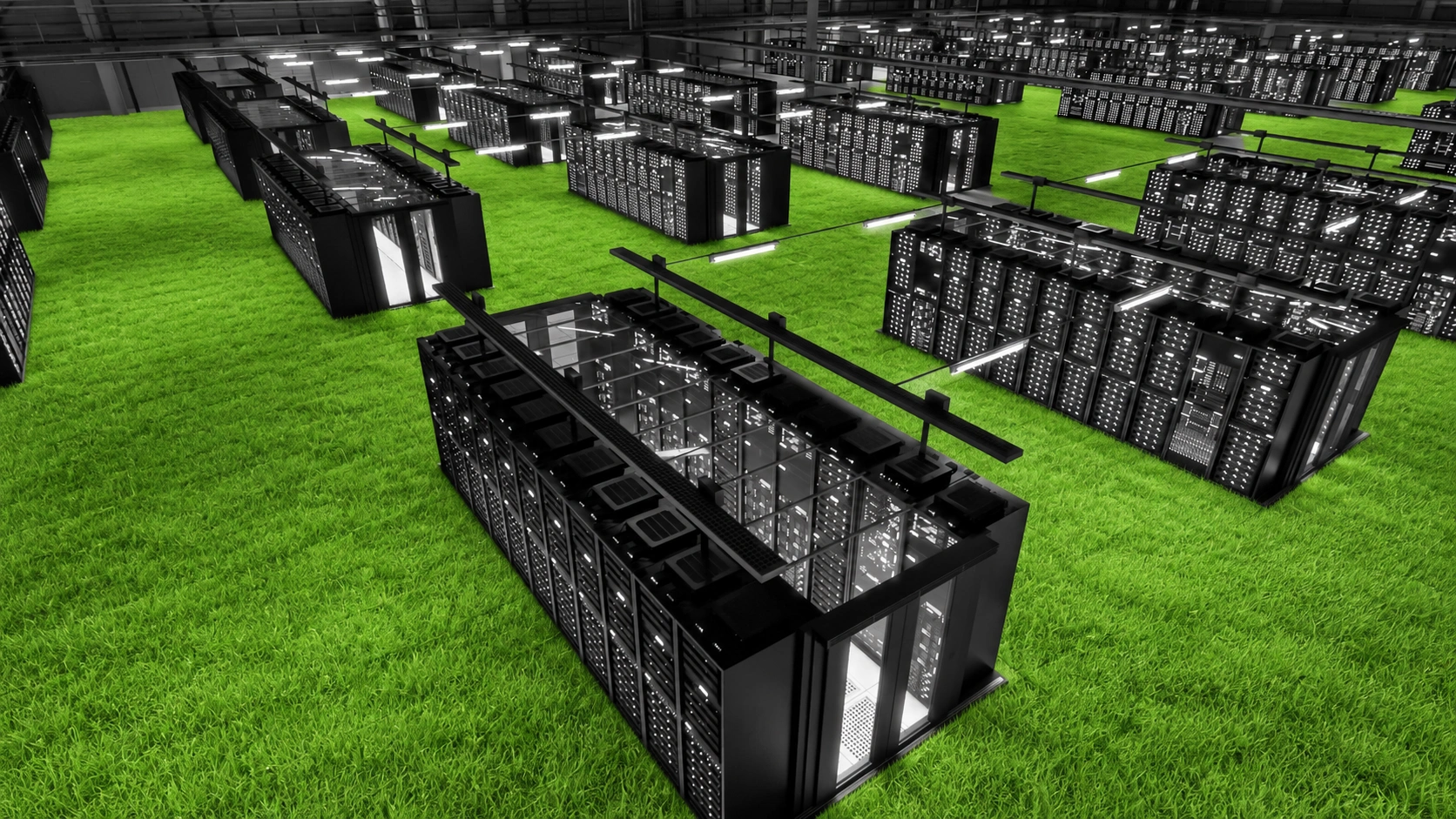
The Wisconsin project is being developed by Oracle, OpenAI, and Vantage Data Centers as part of the wider Stargate initiative, and we described the project as one of the region's largest technology construction efforts back in November last year. The numbers are substantial. The site is expected to include close to 1 gigawatt of AI capacity within a total electrical footprint of about 1.3 gigawatts, with completion targeted for 2028. Vantage has already been moving construction forward, including work on a second building at the campus, according to Data Center Dynamics. In practical terms, this isn't just an office park with a few server rooms. It's closer to an industrial power customer, with a constant appetite for electricity and low tolerance for interruptions. The hum of cooling equipment and the glow of thousands of machines may become as important to Wisconsin's infrastructure story as the campus buildings themselves.
Who Pays When Data Centers Need More Power?
Oracle has said it will cover the energy costs tied to its share of the arrangement. That commitment could protect some existing customers from fuel expenses associated with the company's consumption, but it hasn't erased the broader debate over the deal. Wisconsin Public Radio reported that the Oracle agreement is connected to a proposed $176 million We Energies rate increase for 2027, with the arrangement accounting for roughly one-fifth of that proposed increase. We Energies estimates that shifting certain fuel costs to Oracle could save customers about $300 million between 2027 and 2033. Even so, the near-term effect on household bills and the cost of expanding the grid remain disputed. This is an awkward part of the data center boom that we’ve written about previously: new investment can bring jobs and construction, but it can also make local electricity planning feel suddenly very personal.
Nuclear Power Is Back in Big Tech’s Shopping Cart
Oracle isn't acting alone. Over the past year, technology companies have signed or pursued more than 10 gigawatts of nuclear capacity in the United States, according to the Foreign Policy Journal report. Microsoft has agreed to a 20-year power purchase arrangement tied to the planned restart of the 835-megawatt Three Mile Island facility. Amazon has bought a Pennsylvania data center campus with access to nuclear generation and invested in X-energy's small modular reactor technology. Google, meanwhile, has ordered 500 megawatts from Kairos Power, with its first reactor expected later this decade. The enthusiasm is easy to understand. Nuclear plants provide steady output around the clock, unlike power sources that depend on sunshine or wind. But the industry's revival is still more about promise than immediate supply. US nuclear generation remained broadly flat from 2020 through 2025, and no small modular reactor is currently under construction in the country, according to the lead report.
What This Means for AI Infrastructure
According to a report from Stanford - which lists a number of AI companies as Supporting Partners - Data center demand reached about 29.6 gigawatts by late 2025, roughly comparable to New York state's peak electricity use. The International Energy Agency expects that figure to rise sharply by 2030, adding pressure to grids that already face long permitting timelines, transmission constraints, and aging equipment. Wisconsin is feeling that squeeze directly. The state's peak power demand is forecast to increase by 40% over the next five years, with data center construction a major driver, according to a report. That makes the Oracle agreement a useful preview of the questions likely to spread elsewhere: How much new power should a community reserve for AI, and how should the costs be divided? For companies planning AI campuses, securing electricity may soon be as important as securing advanced GPUs or suitable land.