

On the October 29 episode of the Cheeky Pint podcast, OpenAI CEO Sam Altman made a counter-argument to keeping computing power close at hand: when memory is scarce, he said, it might actually be wasteful for people to keep large amounts of it sitting idle in personal computers.
“A lot of people want local inference. And somehow, they assume that the problem is solved now. Because, we are going to have open-source models. We’re going to be able to run them on our computers. And so we’re not going to need all the stuff in the data center. But from a global allocation perspective, actually, it’s quite terrible to have everybody have a bunch of the world’s limited supply of DRAM sitting in their own computer,” Altman told host John Collison, co-founder of Stripe, arguing that it is used “5% of the time.” His reasoning was that, with supply limited, the more efficient path is to concentrate computing resources in the cloud, where operators can keep them more fully utilized.
The remark opens questions about where the infrastructure of artificial intelligence should actually live. Data-center development is accelerating everywhere but especially in the Midwest, where Pew research indicates a 64% planned increase on existing infrastructure, the largest in the country. Questions of costs, infrastructure impact and economic development are being actively contested in public as developments continue.
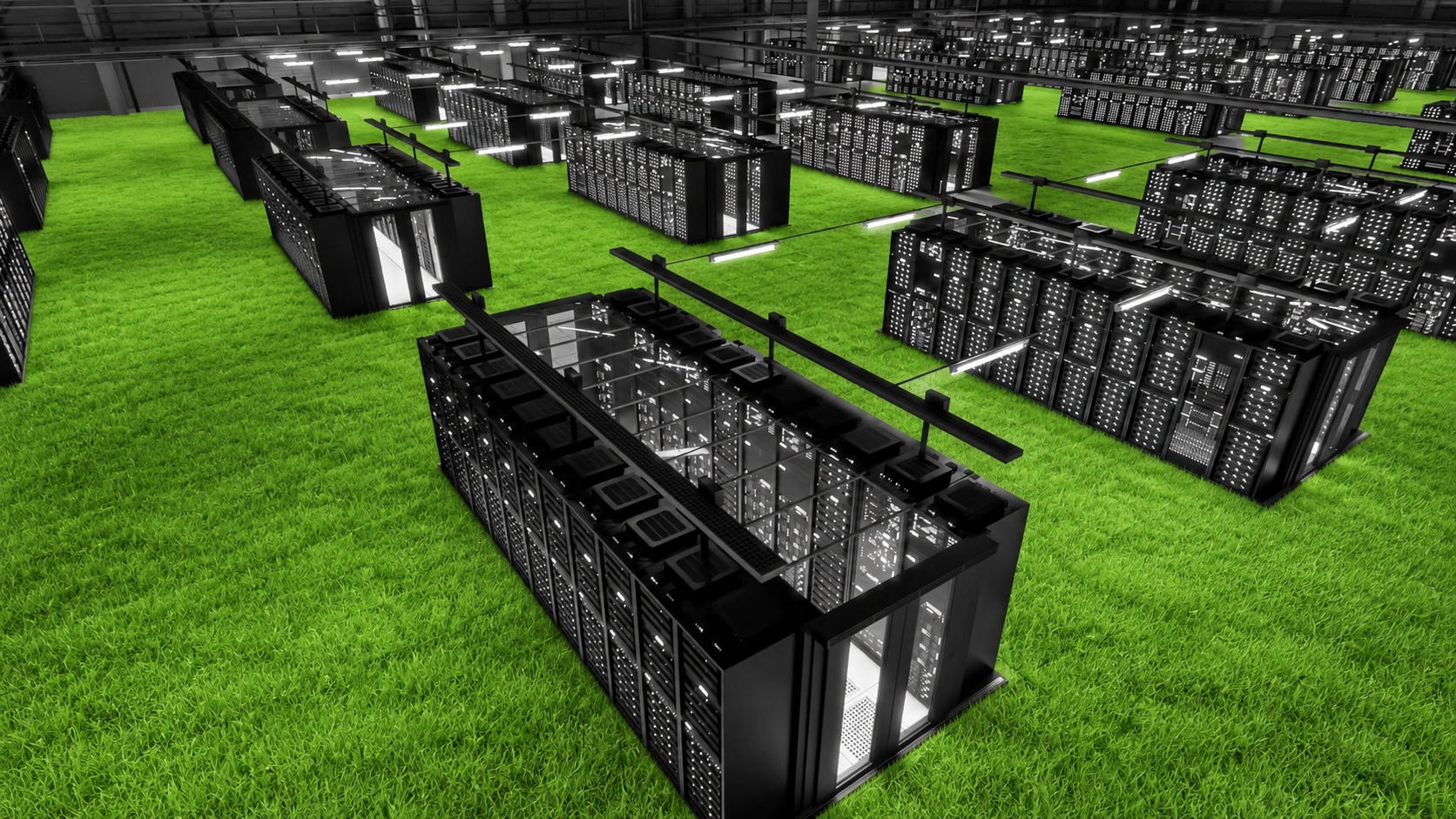
DRAM (Dynamic Random-Access Memory) is the working memory used by computers and servers. Altman’s comment is about utilization: memory installed in a personal computer may sit idle much of the time, while large data centers can pool hardware and serve many users at once. Under that model, cloud infrastructure can make scarce computing resources available on demand rather than leaving capacity distributed across millions of individual machines.
While a home computer’s memory is available to its owner when needed, cloud capacity is shared, but can only be reached through networks and supported by large facilities that require land, electricity, cooling and transmission infrastructure.
Midwest land, power infrastructure and industrial base have helped attract large data center infrastructure, while state and local governments have used incentives to compete for investment. We’ve talked before about the region being an emerging data-center heartland, even as grid constraints and public concerns become more prominent. Residents and officials must weigh potential jobs and economic development against electricity demand, water use, land conversion and the question of whether ordinary customers could shoulder infrastructure costs.
Wisconsin offers a vivid example of the scale involved.
Microsoft’s Fairwater campus in Mount Pleasant, described by the company as the world’s most powerful AI data center, covers about 315 acres and is designed to house hundreds of thousands of Nvidia GPUs. The project illustrates how cloud-computing translates into physical infrastructure: vast buildings, specialized cooling and a substantial supply of electricity.
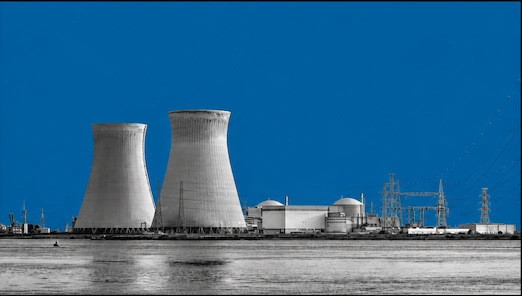
Power procurement is becoming part of that story in the state. Oracle’s planned Wisconsin AI campus is tied to an agreement to draw between 125 and 250 megawatts from the Point Beach nuclear plant. The arrangement reflects a central challenge for AI operators: access to computing hardware alone is not enough if the electricity to run it cannot be secured. It also sharpens questions about how energy costs and grid impacts are allocated.
This tension is visible beyond Wisconsin. Across the region, local governments and residents are scrutinizing projects once welcomed as a source of investment. There has been growing resistance and political debates, including moratoriums and forums over whether communities have enough information about the likely effects of proposed facilities. The discussion is no longer simply whether a region can attract data centers, but whether the benefits justify the resources and local trade-offs involved.
Altman’s argument offers a potential answer to the question of where scarce memory should go, but the questions around facilities costs, power, land and infrastructure will remain.