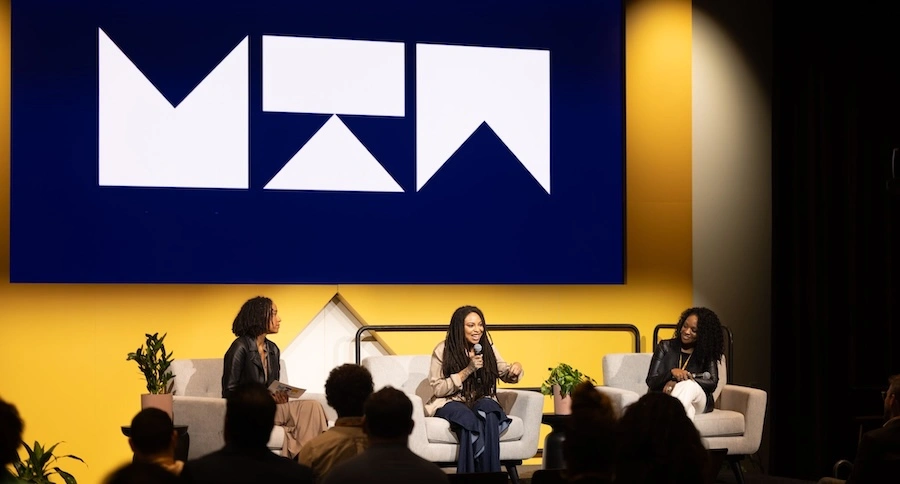
I moved to Michigan in the summer of 2024 and discovered Michigan Tech Week later that year. I didn't know then that a year and a half later, I'd be closer to the planning of it than I ever could have expected.
Now that I’ve been immersed in Michigan’s startup ecosystem for more than a year in my role at Michigan Founders Fund, I can recognize the ways this year’s MTW stands out among other founder-centered conferences.
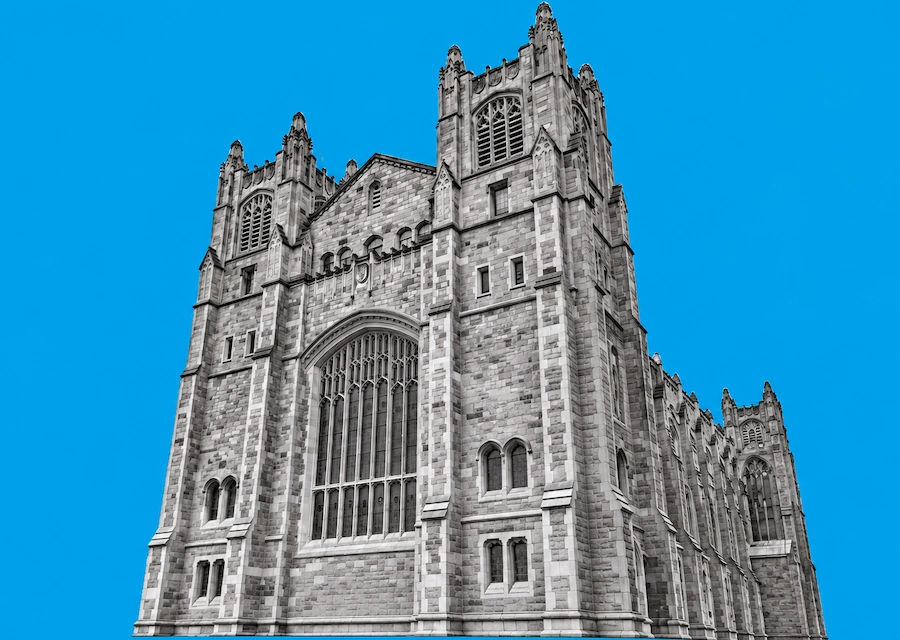
The event runs between May 19 and 21, at Newlab Detroit in Michigan Central. You can hear from investors, founders, corporate innovators, and startup leaders from across Michigan.
Beyond the programming itself, MTW is built around the connections that outlast the conference. Panels end and pitches fade, but relationships compound with time. Here's your StartMidwest guide on where to show up to not only take a look under the hood of the Michigan innovation ecosystem, but to become an active participant in its growth.
Build targeted relationships for company growth
On May 20, MTW is running Lightning Rounds for the first time. These are curated 15-minute 1:1 meetings between startup founders and corporate innovation team leaders.
Confirmed corporate hosts include Henry Ford Health, Siemens, Forvia, Kimberly-Clark, Magna, Bank of America, Honda, Amway, the Detroit Tigers, the Detroit Red Wings, and over 40 others. These companies have committed to being there specifically to find startups. Founders are matched in advance, giving them direct access to potential customers, partnerships, and opportunities.
For founders who have spent months sending messages into corporate innovation portals and watching them disappear, this is a different proposition. One Lightning Rounds host from a 2025 event put it plainly: "I got more from one day of Lightning Rounds than the last 10 years combined of conferences."
The MTW Networking Cafe also facilitates targeted connection. Attendees can browse the MTW app to see who else is in the building and schedule 1:1 meetings during the event. This means founders don’t have to wade through another cocktail reception in the hopes of finding the right person.
Expand your network across the state
Other elements of the program are built on a simple premise: founders learn best from other founders who are actually building. Below are a few ways to forge real connections with fellow founders.
Regional meetups: Discover the strengths of other geographies
Michigan is not a huge ecosystem, but geography can still limit exposure to what’s happening across the state. For example, it takes roughly seven hours to drive from Detroit to Marquette. Each region offers different strengths and opportunities. Founders can choose whether to engage more deeply within their own region or expand their network by connecting with founders from different parts of the state. These regional meetups engineer the opportunity to develop statewide relationships.
Regional meetups hosted onsite at Newlab on Wednesday, May 20 bring together founders from each region:
- The Upper Peninsula and Northern Michigan group will be led by Jordan Craven of Sizeologic and Bradley Matson of Northern Michigan Startup Week.
- West Michigan will be led by Dre Wallace of Opnr, and Kyle Buzzard of Glidance.
- Southeast Michigan will be led by Christina Fair of Hum and Daniel Easterly of 40Acres App.
- And Central Michigan will be led by Meegan Winters of AbleVu and Genesis Lodise of LEAP.
Industry meetups: Forge connections within the industry
Industry meetups will be hosted on May 21st and are organized by sector. Hosts running each meetup are actively building in the space, and therefore these are the founders building in Michigan who know what the market looked like last quarter.
They include:
- AI / Enterprise SaaS: led by Chris Genteel of Race to a Trillion and Nikhil Teja Kolli of Moksa.ai.
- Clean Tech & Energy: will be led by Ademola Fagade of Synafox AI and Jonathan Weyhrauch of Capture Tech.
- Health Tech: meetup will be led by Sarah Beatty of Culturewell, Chris Hart of gBeat, and Darrell Marshall of Total Analysis.
- Electric Vehicles and Mobility: will be led by Farai Gundan of Bhadala and David Medina Álvarez of LIVAQ.
- Hard Tech / Deep Tech: will be led by Troy Morris of KMI, Inc. and Parker Boundy of General Orbit.
Womxn Innovators Lounge + Venture Together: Collaborate in Real Time
The Womxn Innovators Lounge offers female founders and innovators the opportunity to collaborate on Thursday morning, May 21.
The MFF Venture Together Pitch Competition offers $100,000 in non-dilutive funding to teams of four or five founders who pitch how their companies can collaborate to benefit people, place, or planet. Teams pitch how their companies could work together for community good. The winning team splits the prize equally. Whether you’re participating or watching the final pitches, you’ll have an opportunity to find like-minded peers building with purpose.
Experience the result of statewide partnerships
In November 2024, Michigan was selected for MIT REAP, an initiative of the Massachusetts Institute of Technology that has helped over 100 regions worldwide execute strategies for economic growth and job creation. The Michigan Innovation Alliance is the public outcome of that effort among a long list of partners. This initiative is expected to be announced at MTW on Thursday morning, May 21.
Funding gaps between the Midwest and coasts can begin to close when ecosystems show up consistently, and there are plenty of high-impact opportunities to engage.
MTW 2026 takes off in less than two weeks. If you want to know what’s happening in the state - whether you live here or not - then you’ll need to show up and experience Michigan's startup momentum for yourself.
Aria Spears is a startup ecosystem operator embedded in Michigan's innovation community at Michigan Founders Fund. She studies community innovation at Duke and writes about tech-forward systems, AI fluency, finding meaning in the age of AI, and the infrastructure of community.